Shoulder Pain After a Car Accident: What It Could Mean
Key Takeaways
- 1
Shoulder pain is one of the most common injuries reported after car accidents, especially in rear-end collisions.
- 2
Common causes include rotator cuff injuries, shoulder sprains, labral tears, and seatbelt-related trauma.
- 3
Symptoms may not appear immediately and can develop hours or days after a crash.
- 4
Persistent shoulder pain, weakness, or limited movement should be evaluated by a medical professional.
- 5
Early diagnosis and treatment can prevent long-term shoulder damage and chronic pain.
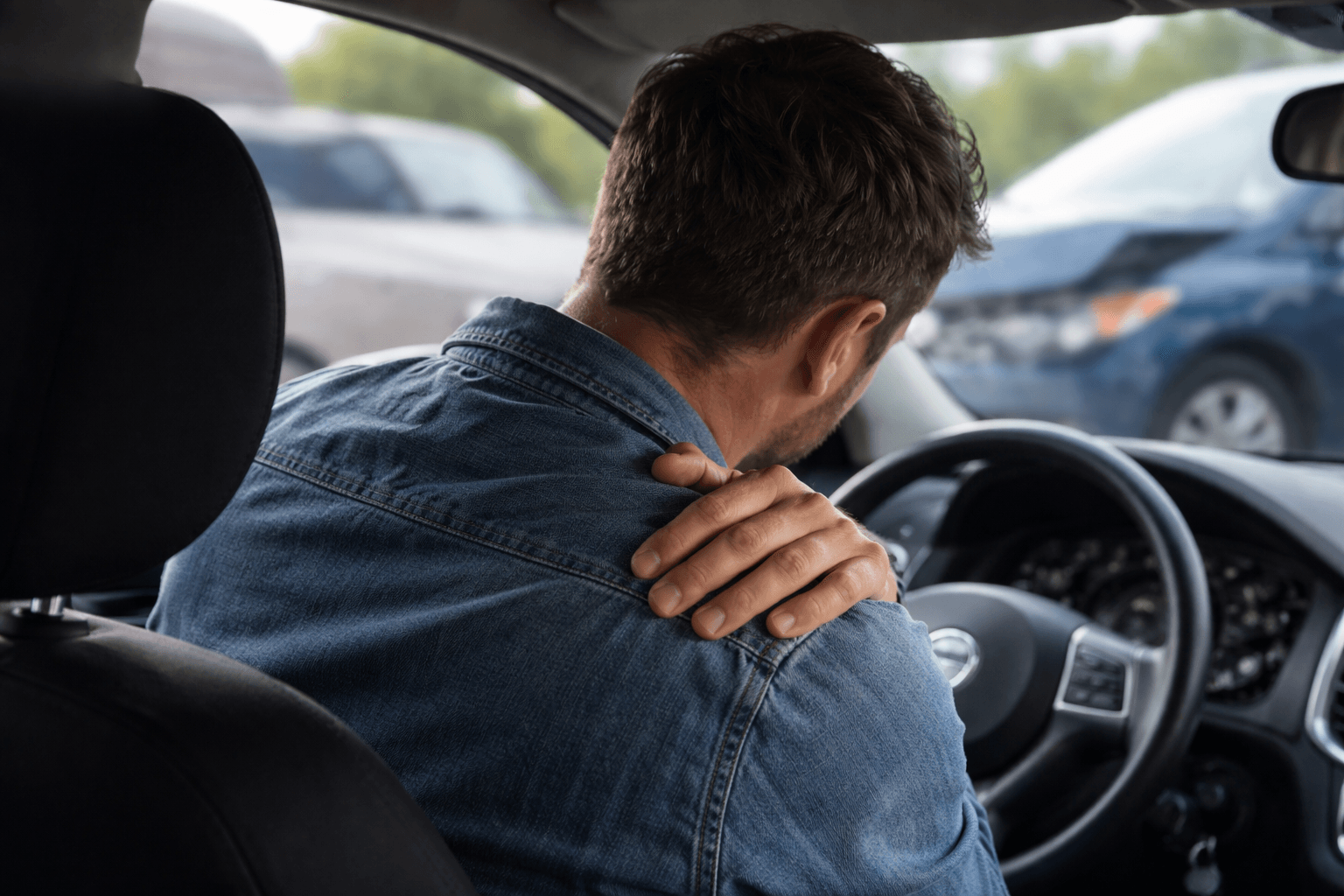
Shoulder pain after a car accident is one of the most common symptoms people experience following a collision, and it may indicate underlying injuries such as rotator cuff tears, ligament sprains, or soft tissue damage. Even low-speed crashes can place intense force on the shoulder joint, leading to pain that may appear immediately or develop hours or days later.
Many accident victims initially feel fine because adrenaline masks injury symptoms, but shoulder pain often appears once inflammation and muscle strain begin to develop. If you notice persistent discomfort, reduced arm movement, or weakness in your shoulder after a crash, seeking medical evaluation early is critical.
At Primary Urgent Care, doctors frequently treat shoulder injuries related to vehicle accidents and help patients identify hidden injuries before they become long-term problems.
Why Shoulder Pain After a Car Accident Is So Common
Shoulder pain after a car accident occurs because the shoulder joint absorbs sudden force during impact. When vehicles collide, the body moves rapidly while seatbelts restrain the torso. This abrupt movement can strain muscles, ligaments, and tendons around the shoulder.
Several crash dynamics commonly lead to shoulder injuries:
Seatbelt pressure during impact
The shoulder strap of a seatbelt protects you during a crash but can also create localized trauma to the shoulder.Sudden forward or sideways movement
The shoulder joint may twist unnaturally as your body reacts to the collision.Bracing against the steering wheel
Drivers often instinctively tense their arms and shoulders before impact.Whiplash motion spreading to the shoulder
Neck injuries frequently extend into shoulder muscles and nerves.
Because the shoulder is a complex joint supported by multiple muscles and tendons, even minor trauma can lead to inflammation, stiffness, and pain.
For related symptoms after crashes, see our guide on neck pain after a car accident (whiplash).
Common Shoulder Injuries Caused by Car Accidents
Several types of injuries can cause shoulder pain after a car accident, ranging from mild strains to serious structural damage.
1. Rotator Cuff Injuries
The rotator cuff consists of four muscles and tendons that stabilize the shoulder joint.
Car accidents may cause:
Rotator cuff tears
Tendon inflammation
Partial muscle strain
Symptoms often include shoulder weakness, pain when lifting the arm, and difficulty sleeping on the affected side.
2. Shoulder Sprains and Strains
A sudden collision can overstretch the ligaments and muscles surrounding the shoulder.
Common symptoms include:
Shoulder stiffness
Swelling
Limited range of motion
Pain when raising the arm
These injuries may worsen if untreated.
3. Shoulder Dislocation
High-impact crashes can cause the shoulder joint to slip out of place, which is known as a dislocation.
Signs include:
Severe pain
Visible shoulder deformity
Inability to move the arm
Numbness or tingling
Dislocations require immediate medical attention.
4. Labral Tears
The labrum is cartilage that stabilizes the shoulder joint. Sudden trauma during a crash can tear this tissue.
Symptoms often include:
Shoulder clicking or popping
Weakness in the joint
Pain with movement
Symptoms of Shoulder Pain After a Car Accident
Shoulder pain after a car accident may develop immediately or appear hours or days later. Recognizing symptoms early can help prevent long-term complications.
Watch for the following signs:
Persistent shoulder pain
Stiffness or limited movement
Pain when lifting or rotating the arm
Swelling around the shoulder joint
Numbness or tingling in the arm
Weakness in the shoulder
Pain radiating to the neck or upper back
If symptoms continue or worsen, a medical evaluation is recommended.
When to See a Doctor for Shoulder Pain After a Car Accident
You should see a doctor for shoulder pain after a car accident if symptoms last more than 24 hours or interfere with normal movement.
Seek immediate medical care if you experience:
Severe shoulder pain
Visible joint deformity
Weakness or inability to lift your arm
Numbness or tingling down the arm
Pain that worsens over time
Early diagnosis is important because untreated shoulder injuries may lead to chronic pain, joint instability, or long-term mobility issues.
How Doctors Diagnose Shoulder Injuries After a Car Accident
Medical evaluation is the best way to determine the cause of shoulder pain after a car accident.
Doctors typically perform:
Physical Examination
A provider evaluates:
Shoulder range of motion
Muscle strength
Areas of tenderness
Treatment Options for Shoulder Pain After a Car Accident
Treatment for shoulder pain after a car accident depends on the type and severity of the injury.
Common treatment approaches include:
Conservative Treatment
Many injuries improve with non-surgical care:
Rest and activity modification
Ice and anti-inflammatory medications
Physical therapy exercises
Shoulder stabilization therapy
Pain Management
Doctors may recommend:
Prescription anti-inflammatory medications
Muscle relaxants
Corticosteroid injections
Why Early Treatment After a Car Accident Matters
Early treatment for shoulder pain after a car accident improves recovery and prevents chronic injury.
Seeking medical care soon after a crash provides several important benefits:
Identifies hidden injuries early
Prevents long-term shoulder damage
Helps document injuries for insurance claims
Reduces the risk of chronic pain conditions
Delayed treatment can lead to prolonged discomfort and limited shoulder mobility.
Frequently Asked Questions
Need Same-Day Care?
Skip the ER wait. Book an appointment or walk in today for expert medical care.